
About me Maura Aleman:
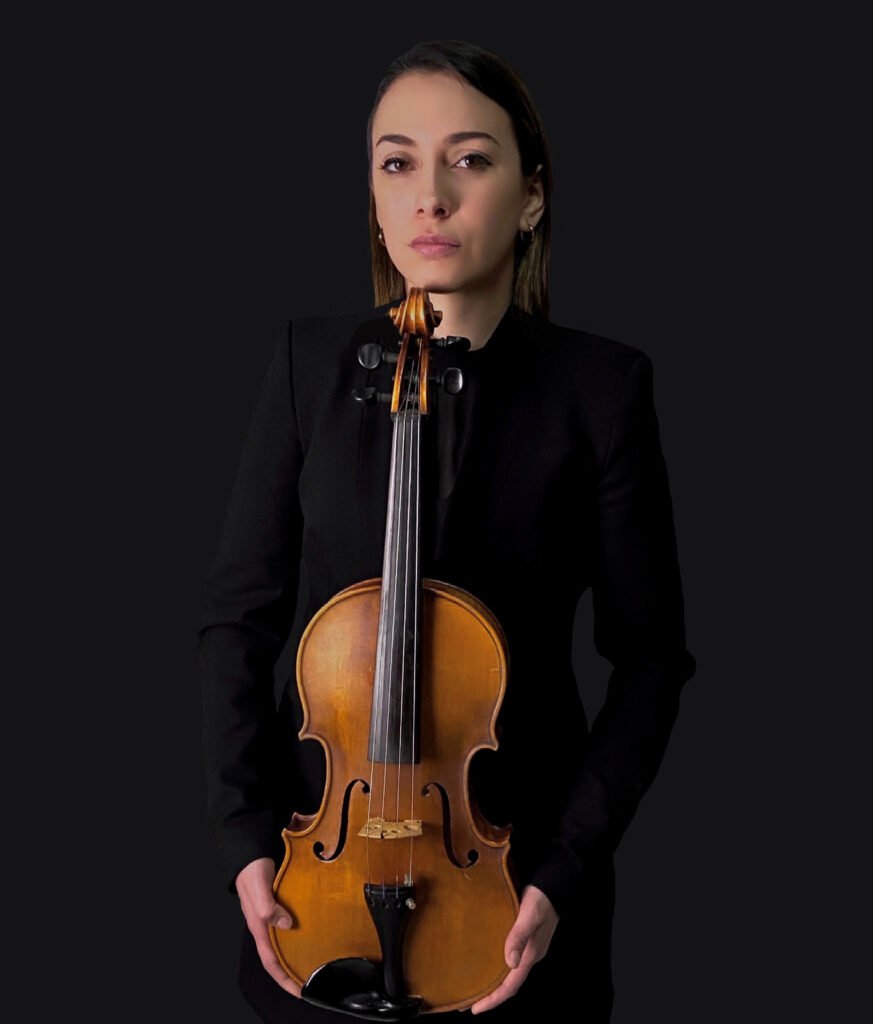
I am a woman, Mexican, from the north, and an artist.
Originally from Mexicali, Baja California, I began my journey in music at age 12 at the Centro Estatal de las Artes (CEART) in my hometown. Five years later, in 2012, I enrolled in the Bachelor’s in Music program at Universidad Autónoma de Baja California (UABC), Ensenada campus, and graduated in 2017.
During my professional training, I studied with Dr. Ara Ghukasyan, principal violist of the Orquesta de Baja California (OBC), who trained me in the Russian school of instrumental technique, an approach I now share in my own teaching. As a researcher, I have explored pre-Hispanic instruments, migration music at the border, acoustic ecology and soundscapes of Baja California, and music education. As an entrepreneur, I founded Rinforzando Música, where I teach violin and viola lessons both online and in person in Mexicali.
My journey as an educator:
Since 2017, I have worked as a violin and viola teacher. Over these years, I have had the privilege of accompanying more than 400 students, ranging in age from 5 to 67. This experience has profoundly enriched my artistic and pedagogical practice, as each student has offered me new perspectives on the instrument, on learning, and on art.
Some have gone on to continue their training at conservatories and bachelor’s programs in music, while others found in the instrument a space for expression, enjoyment, and personal growth.
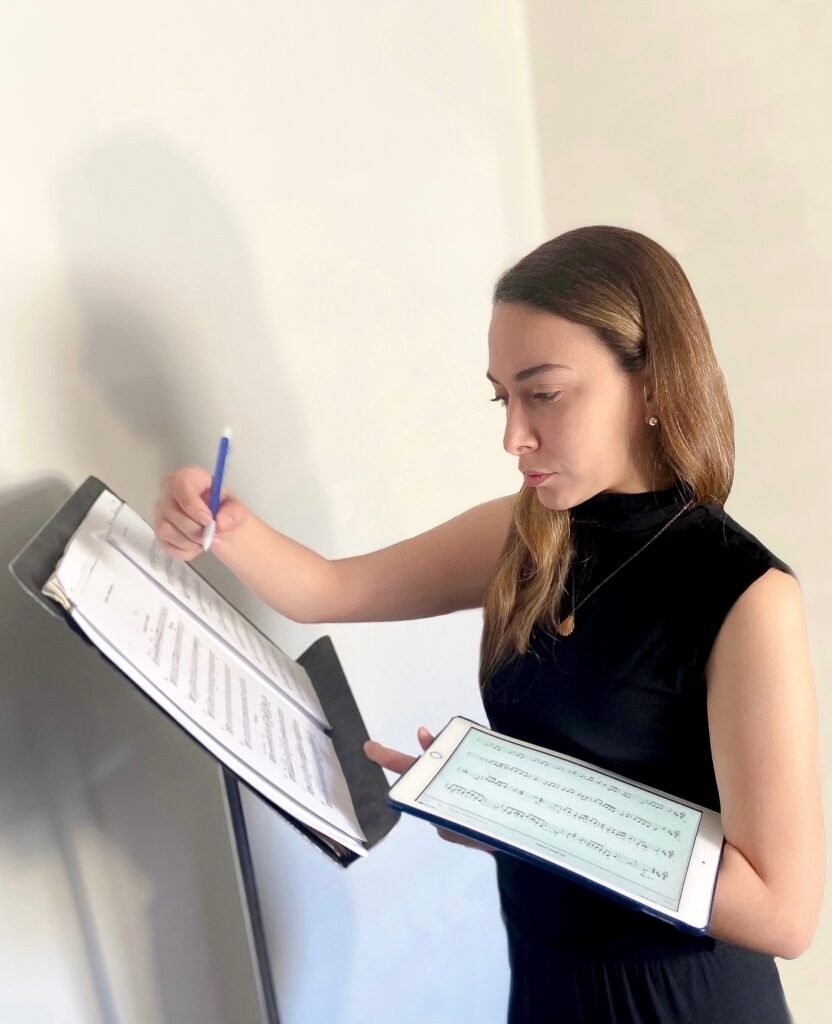
This trajectory gave rise to the paper “Educar desde la independencia” (Teaching from Independence), presented at the 9th International Congress on Education and Transdisciplinarity (UABC, 2025), where I propose a pedagogical model based on autonomy, listening, and individualized attention to the student.
What do I aim to achieve in my lessons?
My main goal is for learning an instrument to be a meaningful and enjoyable experience. Music, though it demands discipline and consistency, doesn’t have to be tedious or stressful. I believe that feeling excited and enjoying ourselves as we learn should be a fundamental part of the process.
My pedagogical approach: technique, empathy, and meaningful connection
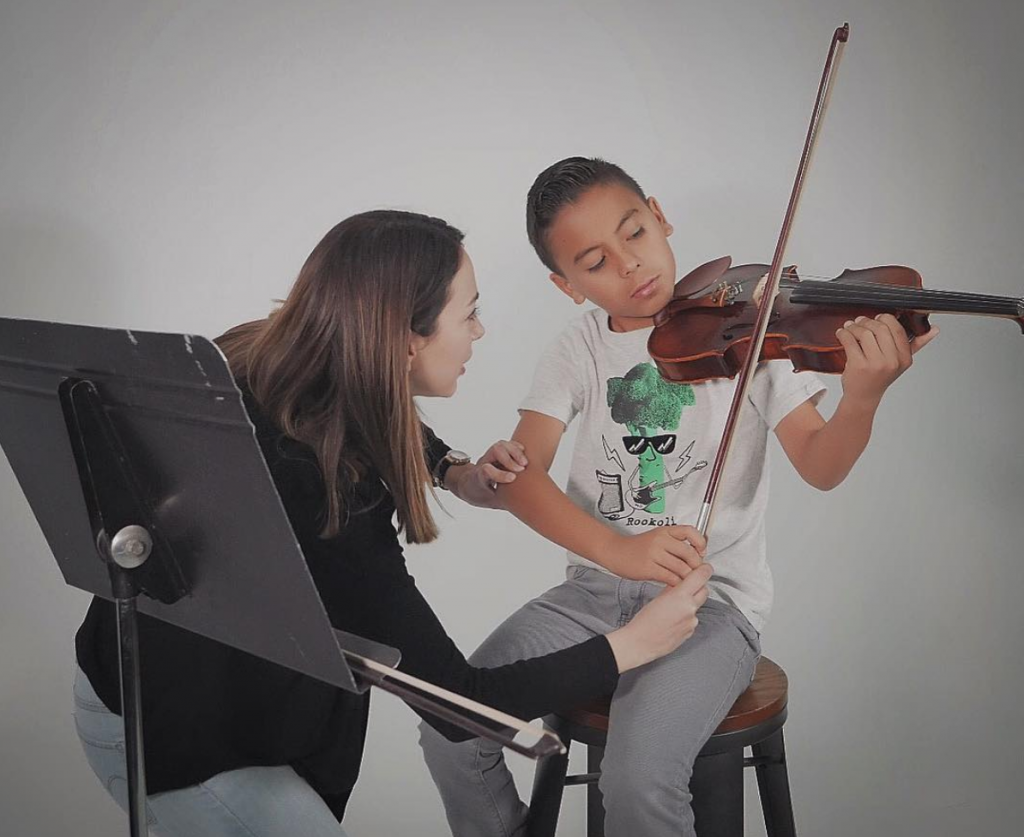
In music education, the bond between teacher and student is just as important as technique itself. In psychology, this is called rapport: a relationship built on trust and empathy that allows the student to feel safe to explore, make mistakes, and grow.
In my lessons, I cultivate this bond through active listening, adaptation to each individual’s pace, and ongoing support. It’s not just about being friendly—rapport is a powerful pedagogical tool that makes teaching more human and effective.
I strive to make each lesson a meaningful experience, where the process holds as much value as the final result. I provide clear and respectful feedback, adjust goals to meet each student where they are, and support not only technical challenges but emotional ones as well.
For example, if a student becomes frustrated with a difficult passage, we don’t just correct mistakes—we explore new ways to approach it together, reinforcing their confidence and musical autonomy.
Why is it important to have an instrument teacher?
I believe studying with a teacher is important for two fundamental reasons:
Healthy technique: Good technique not only allows for smoother progress but also protects the body from tension and injury. Learning to play efficiently and mindfully is essential for enjoying the instrument in the long term.
Emotional and motivational support: A teacher doesn’t just impart knowledge—they also serve as a guide who observes, listens, and motivates. In moments of frustration or discouragement, their role is key in helping the student persist and overcome obstacles with confidence.
How will we work in lessons?
At the beginner level, I use the Essential Elements method, an American program with which I was also trained. This method allows students to acquire the foundations of violin or viola in a progressive and structured way, complemented by specific technical exercises.
At the same time, I integrate solfège and music theory from the very beginning, as I consider ear training and intonation to be fundamental. As the student advances, I combine various approaches and materials, such as the Suzuki, Crickboom, and Flesch methods.
My personal motivation:
Ever since I discovered music, I knew I wanted to dedicate my life to it. I am passionate not only about playing the instrument but also about sharing the knowledge and love I have cultivated throughout my training. Being a teacher gives meaning to my artistic work and connects me with a deep sense of purpose.
My daily motivation is to be the kind of teacher I wish I had when I first began my journey in music.
Artistic projects
In addition to my teaching, I develop soundscape projects in natural spaces across Baja California and other regions of Mexico. Through field recordings, I seek to preserve the acoustic memory of our environment and raise awareness of the sonic richness that surrounds us. You can learn more about this project here.
I have also conducted academic research in the field of music, focused on pre-Hispanic instruments and migration music at the border. You can find my publications here.
🇪🇸Versión en español: Para leer esta información en español, haz clic aquí.